Introduction: Why Skills-Based Hiring Is No Longer Optional
Skills-based hiring has moved from a progressive HR concept to a business necessity as manufacturing enters the next phase of the Industry 4.0 transition.
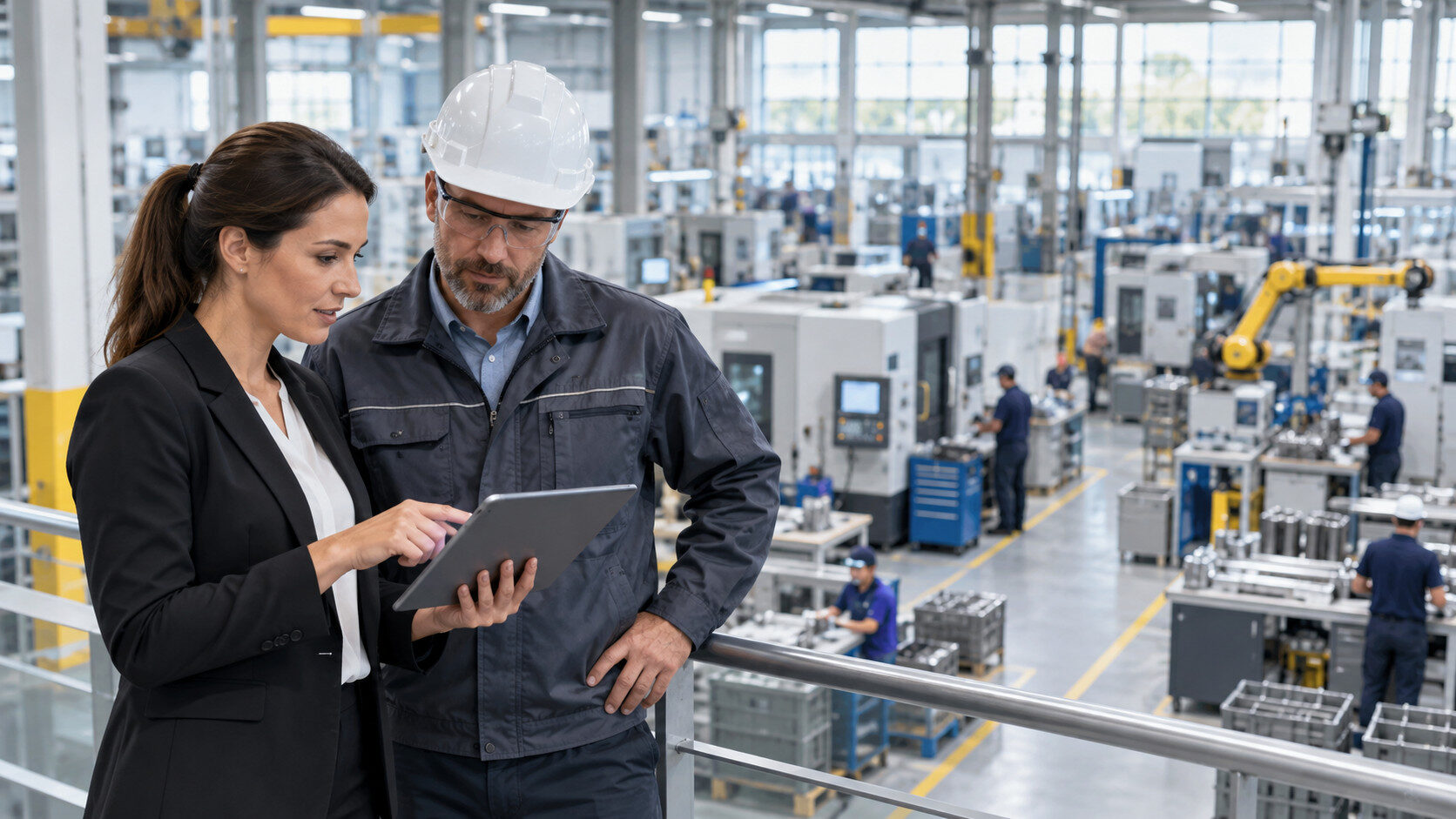
Automation, robotics, advanced analytics, and AI-enabled systems are fundamentally changing how work gets done on the factory floor. Yet many manufacturers are still hiring based on job titles, years of experience, or college degrees signals that no longer reliably predict success.
The result?
- Persistent labor shortages
- High frontline turnover
- Underutilized talent
- Slower adoption of new technologies
In 2026, the manufacturers that win won’t be the ones who hire faster, they’ll be the ones who hire smarter by focusing on skills, competencies, and real-world capability.

What Is Skills-Based Hiring in Manufacturing?
Skills-based hiring prioritizes what a candidate can do, not where they went to school or how many years they’ve held a title.
In manufacturing, this means evaluating candidates on:
- Technical proficiency (CNC operation, PLC troubleshooting, robotics calibration)
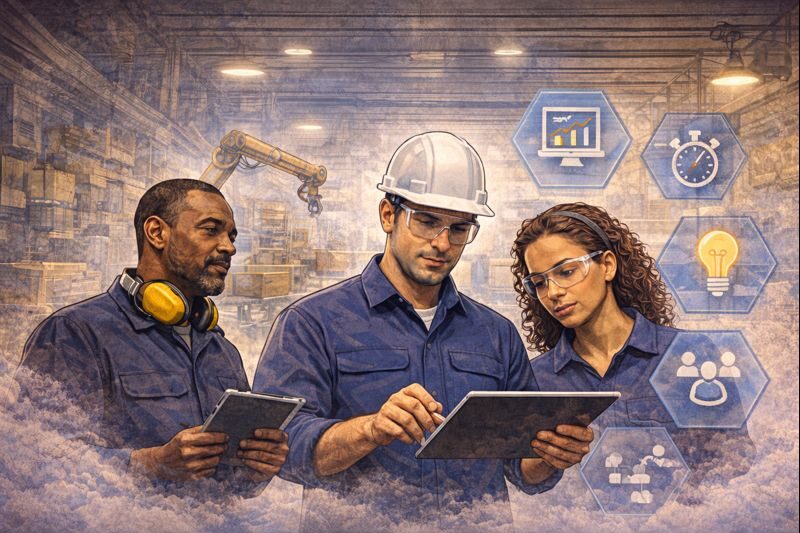
- Digital literacy (MES systems, data dashboards, automation interfaces)
- Soft skills (problem-solving, adaptability, collaboration, safety awareness)
- Learning agility and trainability
Instead of filtering talent out early, skills-based hiring widens the funnel while increasing precision later in the process.
Why Is Skills-Based Hiring Critical for Industry 4.0?
Industry 4.0 is not just a technology shift it’s a workforce transformation.
Key forces driving the change:
- Smart factories blending physical and digital systems
- Predictive maintenance and data-driven operations
- Human–machine collaboration
- Rapid role evolution (maintenance tech → automation specialist)
Degree programs simply cannot update fast enough to reflect these changes. Skills-based hiring allows manufacturers to hire for today’s reality, not yesterday’s credentials.
How Does Hiring Without Degrees Expand the Manufacturing Talent Pool?
One of the most immediate benefits of skills-based hiring is access.
In the U.S.:
- Over 60% of working-age adults do not hold a four-year degree
- Many possess relevant technical, mechanical, or digital skills gained through:
- Military service
- Trade schools
- Apprenticeships
- On-the-job experience
- Self-directed learning
By removing unnecessary degree requirements, manufacturers:
- Increase applicant volume
- Improve workforce diversity
- Reduce time-to-fill
- Strengthen community hiring pipelines
This isn’t lowering the bar, it’s aligning it with reality.
What Are the Risks of Degree-Based Hiring in Modern Manufacturing?
Degree-based hiring creates hidden costs that compound over time:
1. False Positives
A degree does not guarantee:
- Shop-floor readiness
- Safety discipline
- Equipment aptitude
- Adaptability to new systems
2. False Negatives
Skilled workers are screened out before interviews even when they could outperform credentialed peers.
3. Higher Turnover
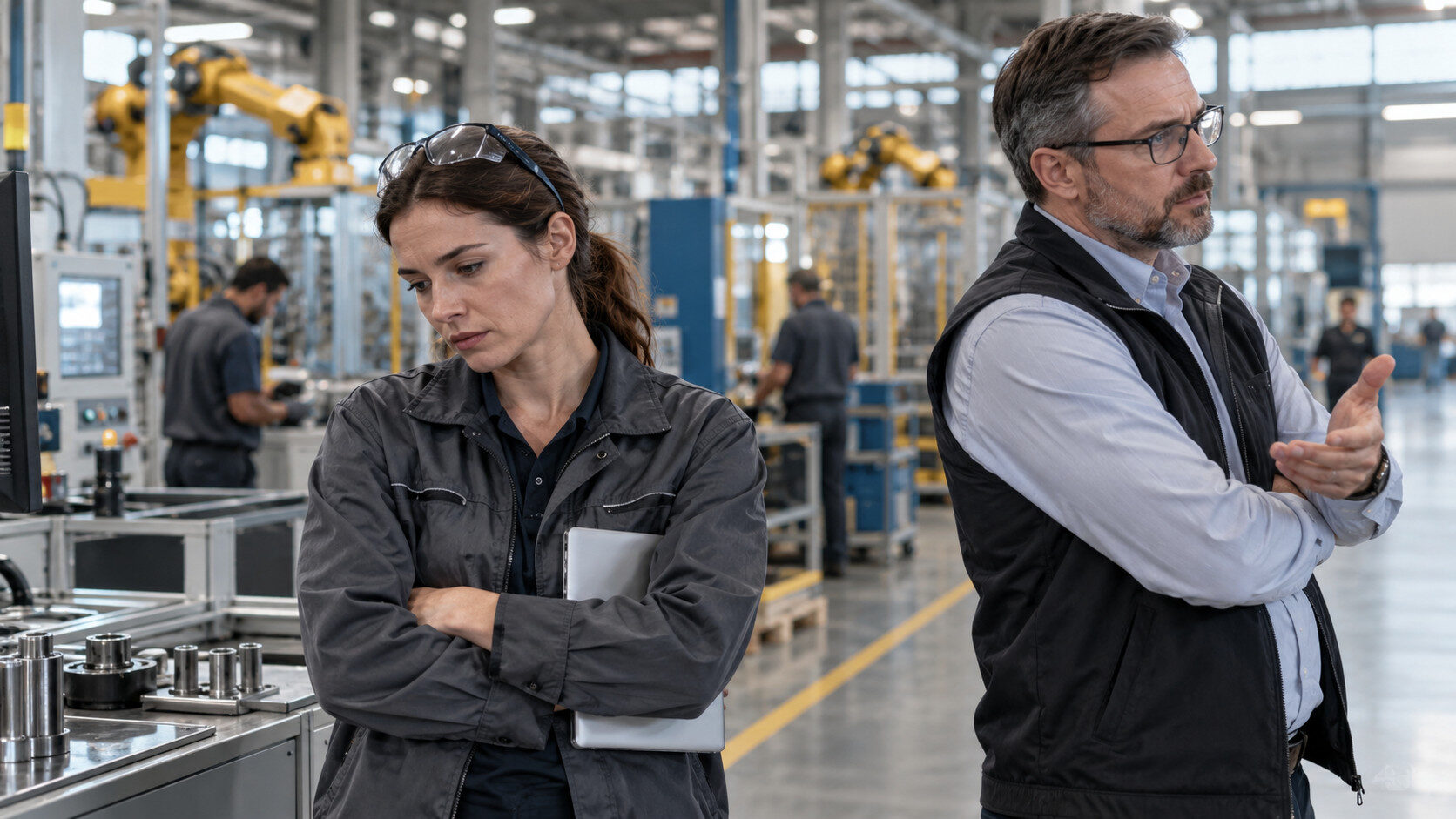
Employees hired for credentials instead of capability are more likely to disengage or leave.
4. Slower Transformation
Digital initiatives stall when talent can’t operationalize new tools.
What Skills Matter Most in Industry 4.0 Manufacturing?
While roles vary, the most in-demand skills in 2026 cluster into four categories:
Technical & Operational Skills
- Automation systems monitoring
- Robotics maintenance
- Electrical and mechanical troubleshooting
- Quality control using digital tools
Digital & Analytical Skills
- MES / ERP navigation
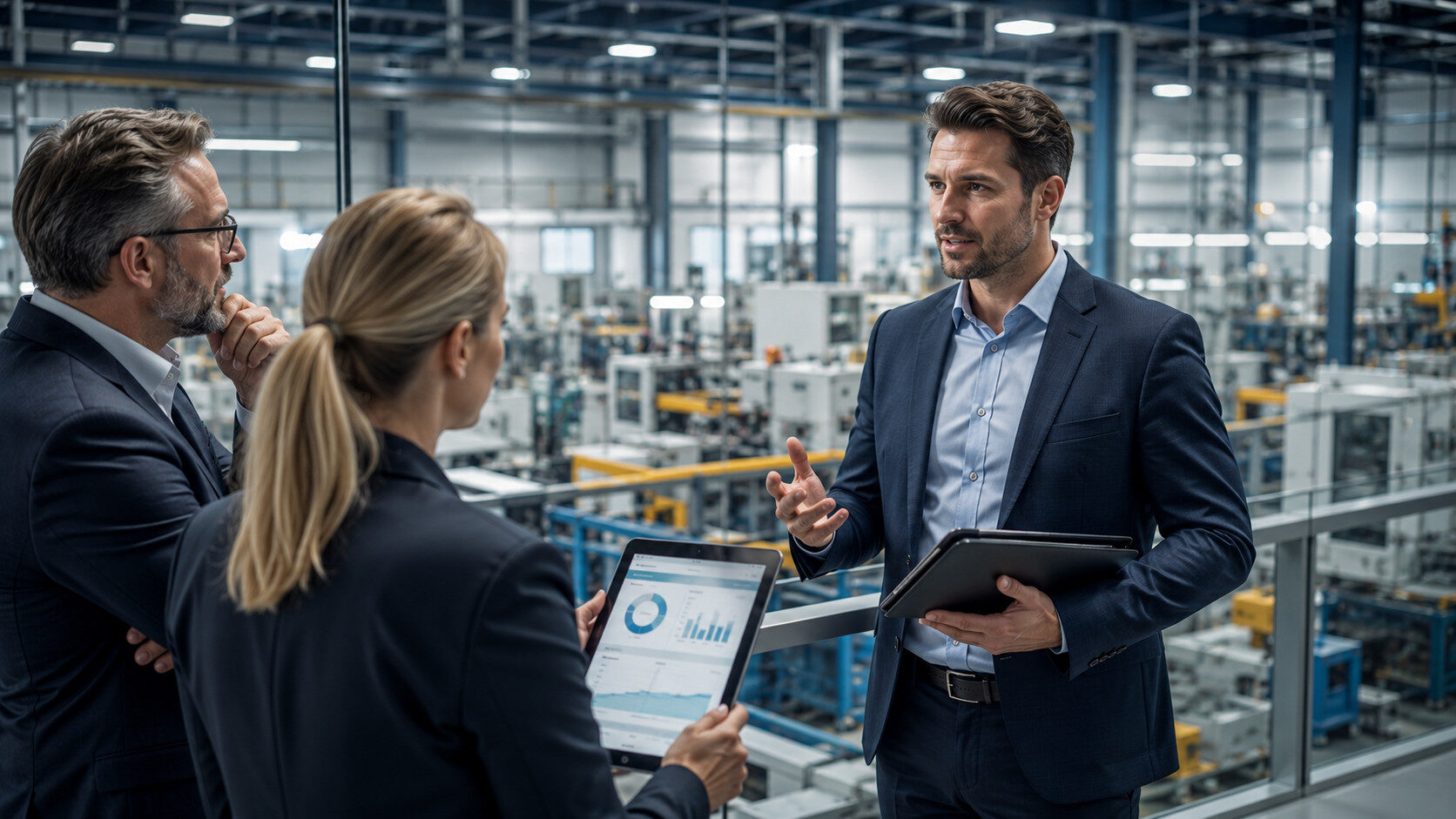
- Data interpretation
- Predictive maintenance alerts
- Basic scripting or system logic understanding
Human Skills
- Critical thinking
- Continuous improvement mindset
- Communication across shifts and teams
- Safety-first decision-making
Leadership & Adaptability
- Coaching peers
- Managing ambiguity
- Cross-training readiness
- Change resilience
How Can Manufacturers Implement Skills Assessment Effectively?
Skills assessment in manufacturing must be practical not academic.
Effective approaches include:
- Work-sample tests
- Simulation-based evaluations
- Structured behavioral interviews
- Supervisor-led technical walkthroughs
- Scenario-based problem solving
The goal is not perfection, but predictive signal.
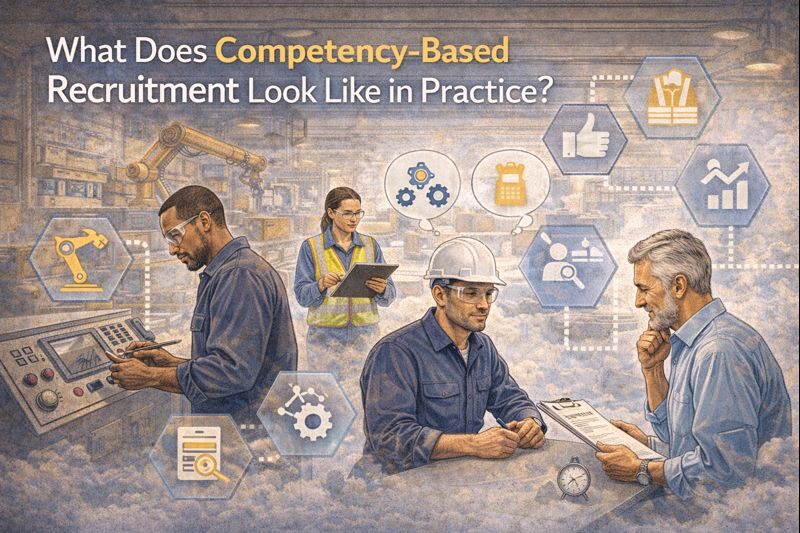
What Does Competency-Based Recruitment Look Like in Practice?
Competency-based recruitment shifts hiring conversations from:
“How many years have you done this?”
to:
“Show us how you solve this problem.”
It aligns hiring with:
- Actual job demands
- Team dynamics
- Operational constraints
It also creates clearer onboarding, training, and promotion pathways reducing burnout and improving engagement.
Why Front-Line Leaders Are Central to Skills-Based Hiring Success
Front-line supervisors and plant managers are the linchpin.
They:
- Validate skill requirements
- Observe real performance
- Coach development gaps
- Influence retention more than any policy
Without equipping managers to assess and develop skills, even the best hiring framework will fail.
How Skills-Based Hiring Improves Retention in Manufacturing
Data consistently shows:
- Employees hired for fit and capability stay longer
- Clear skill pathways reduce frustration
- Training investment increases loyalty
When workers see a future not just a job they commit.
What Role Does Talent Traction Play in Skills-Based Hiring?
At Talent Traction, we see skills-based hiring not as a trend, but as a strategic reset.
Our work across manufacturing, automotive, and industrial sectors shows:
- The strongest leaders hire for capability first
- The best teams are built deliberately, not accidentally
- Skills clarity improves every downstream decision
We partner with organizations navigating Industry 4.0 transitions to align hiring strategy with operational reality.
What Are the Top Manufacturing Retention Strategies for 2026?
Skills-based hiring enables:
- Smarter workforce planning
- Stronger leadership pipelines
- Faster technology adoption
- Lower turnover costs
Retention starts at the point of hire.
Final Thoughts: Skills Are the New Currency of Manufacturing
The Industry 4.0 transition will not wait for outdated hiring models to catch up.
Manufacturers that embrace skills-based hiring now will:
- Build more resilient workforces
- Reduce chronic labor shortages
- Accelerate digital transformation
- Strengthen employer brand credibility
In 2026, skills not titles or degrees will define who succeeds on the factory floor.