Scaling a business is hard. Scaling a business without losing its culture is even harder.
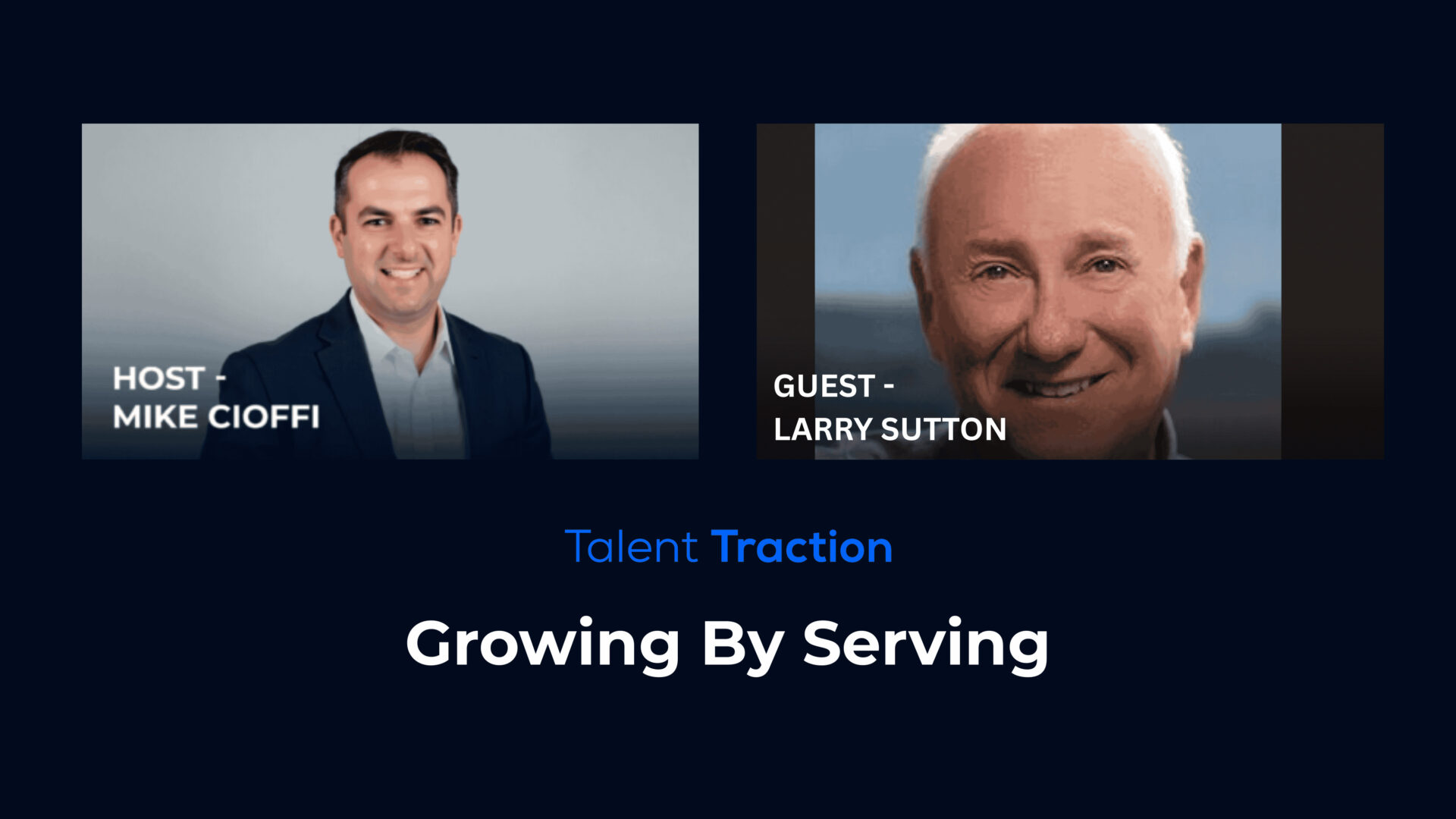
In this episode of the Talent Traction podcast, we sat down with Larry Sutton, Founder and CEO of RNR Tire Express, to explore how a people-first mindset helped grow the company from a single location into a national franchise system with more than 200 stores and counting.
Larry’s journey offers a powerful lesson for leaders across manufacturing, automotive, and retail: growth is not driven by systems alone, but by service-driven leadership and disciplined talent decisions.
From Accidental Entrepreneur to Franchise Leader
Larry didn’t set out to build a franchise empire. After exiting his first business and navigating a non-compete, he was simply looking for his next chapter. That search led him to wheels and eventually, tires through a payment-based retail model designed to serve customers often overlooked by traditional financing.
What started as a wheel-focused concept evolved quickly.
“We realized the tire business was exponentially larger,” Larry shared. “If we wanted year-over-year growth, we had to become a tire business that happened to be great at wheels.”
That strategic pivot guided by market data and customer behavior became a defining moment in RNR’s growth story.
Franchising Wasn’t the Plan Culture Was
RNR’s move into franchising wasn’t intentional at first. Early expansion came from peers who wanted to replicate what Larry had built. Legal necessity eventually turned informal licensing into a formal franchise system.
But growth came with hard lessons.
“We learned the hard way that franchising isn’t about selling locations it’s about awarding them,” Larry said.
At one point, RNR grew to nearly 70 stores, only to pull back and close underperforming locations. The takeaway was clear: the right operators matter more than rapid expansion.
“Serve, Not Service”: A Leadership Philosophy
At the heart of RNR’s success is a deeply embedded cultural principle Larry calls “serve, not service.”
This philosophy extends beyond customer experience. It shapes how leaders show up for franchisees, how franchisees lead their teams, and how employees engage with customers.
RNR operates on what Larry describes as an upside-down leadership pyramid where leadership exists to support the field, not control it.
“My job is to support the people who support the people doing the work,” he explained.
This approach has become a competitive advantage in a tight labor market, particularly as younger workers seek purpose, belonging, and clarity not just a paycheck.
Talent, Accountability, and the Reality of Gen Z
Like much of the tire and automotive industry, RNR faces ongoing technician shortages and turnover challenges. One of Larry’s biggest insights came from listening closely to younger employees.
“We thought incentives were everything,” he said. “But Gen Z was focused on base pay, stability, and feeling valued.”
RNR adjusted compensation structures, simplified messaging around pay, and placed greater emphasis on communication, coaching, and accountability without compromising standards.
Integrity remains non-negotiable. But motivation, expectations, and leadership styles have evolved.
Scaling Without Losing the Soul
Today, RNR is focused on reaching 300 locations deliberately and sustainably. Growth targets are clear, but never at the expense of culture.
Leadership development workshops, regional summits, and constant dialogue between the field and corporate teams help ensure that standards scale alongside store count.
Larry credits much of RNR’s recent acceleration to surrounding himself with people who complement his strengths and challenge his blind spots, especially leaders who understand talent, structure, and long-term strategy.
A Leadership Lesson Worth Repeating
RNR’s story is a reminder that scaling isn’t just an operational challenge it’s a leadership one.
In an industry under pressure from labor shortages, rising costs, and changing workforce expectations, Larry Sutton’s approach reinforces a timeless truth:
Sustainable growth starts by serving people well employees, operators, and customers alike.
And when leaders get that right, the business follows.